
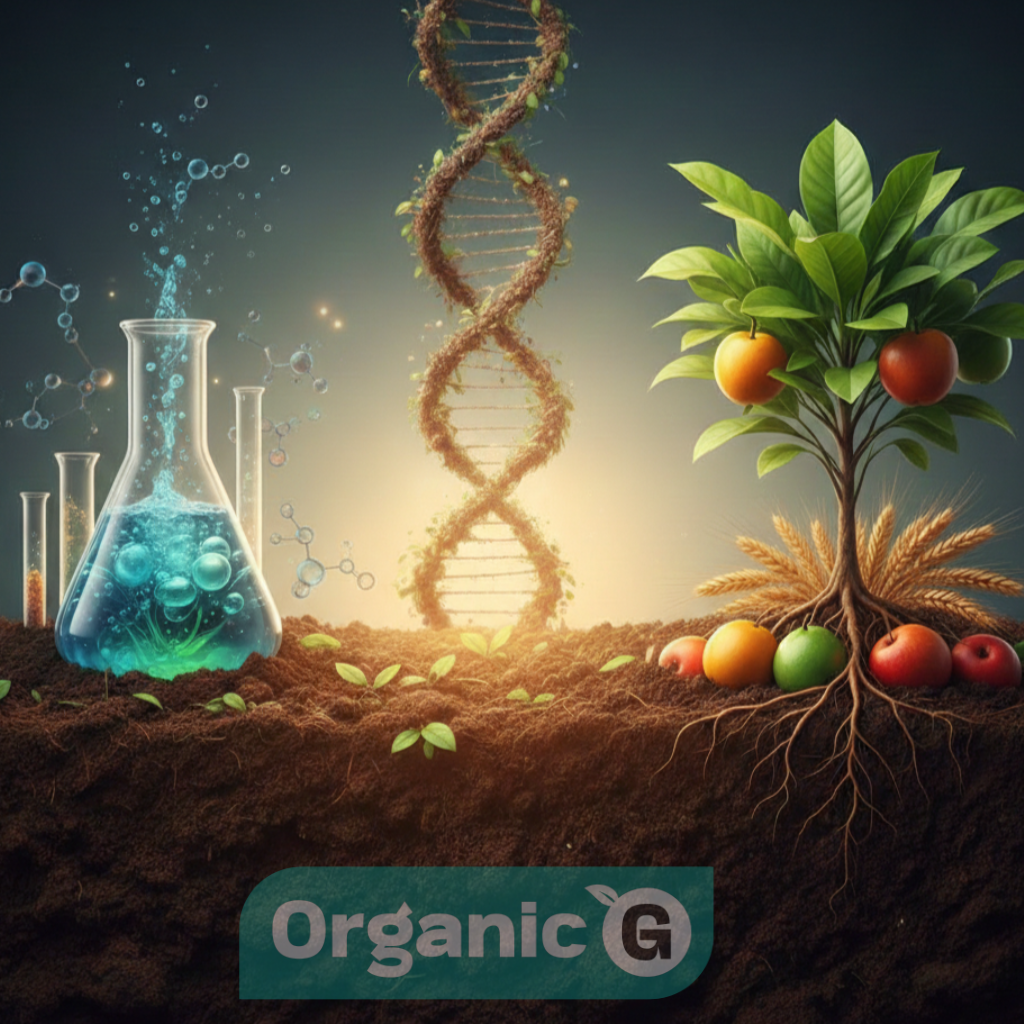
Soil chemistry and fertility are fundamental pillars for the health of agricultural ecosystems, as they directly and interactively influence nutrient availability, biological activity, and plant growth. Studying these properties is crucial for increasing productivity while conserving natural resources.
1. Soil Chemistry (Composition and Reactions)
Soil chemistry focuses on the study of internal reactions that determine nutrient behavior, including several critical indicators:
- pH (Hydrogen Ion Concentration): A primary driver of nutrient solubility, critically affecting the availability of phosphorus and micronutrients.
- Cation Exchange Capacity (CEC): Represents the soil’s ability to retain positively charged nutrients and exchange them with plant roots, preventing nutrient loss through leaching.
- Salinity and Sodicity: Salinity affects osmotic pressure and plant water uptake, while sodicity influences soil structure and permeability.
2. Soil Fertility (Nutrient Supply)
Soil fertility refers to the soil’s capacity to supply essential nutrients in balanced, readily available forms for plant uptake. These nutrients are classified as:
- Macronutrients (N, P, K): Nitrogen, phosphorus, and potassium, which are required in large quantities by plants.
- Secondary Nutrients (Ca, Mg, S): Calcium, magnesium, and sulfur.
- Micronutrients: Iron, zinc, manganese, etc., which are needed in small amounts but are vital for metabolic processes.
3. Role of Organic Matter
Fertility is closely linked to the soil’s organic matter content, which serves not only as a nutrient source but also as a general soil enhancer by:
- Improving nutrient cycling.
- Supporting microbial activity and overall soil biology.
- Increasing water retention capacity and improving soil structure.