1. Product Overview
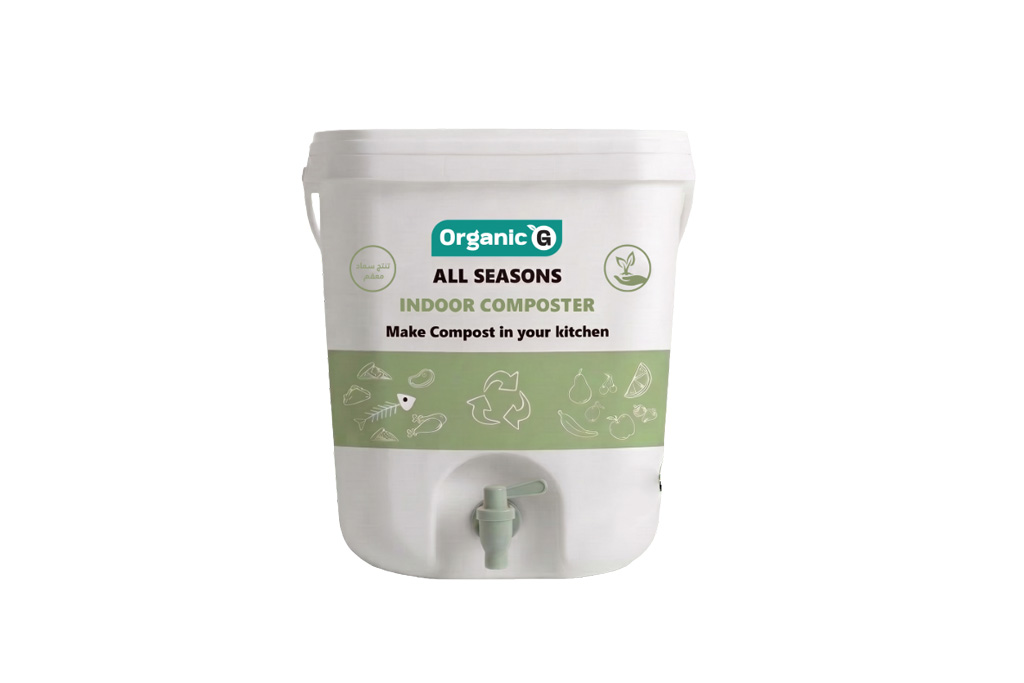
The Indoor Composter Unit is an innovative and clean solution for recycling food waste inside homes and apartments. The system provides a hygienic, odor-free method to convert daily organic waste into high-quality compost, reducing household waste and supporting a sustainable lifestyle.
2. Benefits & Features
The indoor composter provides integrated environmental and practical solutions for homes and urban spaces:
- Sealed Design: Sealed and airtight design to prevent unpleasant odors and ensure maximum hygiene inside the home.
- Rich Compost: Transforms food scraps into rich organic compost that supports the growth of house plants and small gardens.
- Waste Reduction: Reduces household waste volume and environmental footprint while supporting environmental sustainability practices.
- Waste Sorting: Ensures complete separation of inorganic materials for optimal system performance.
3. Compost Production Steps
The composting process follows a structured sequence to ensure the quality of the final output:
- Add an initial layer of waste residues at the base.
- Sprinkle biological activators (Bokashi or decomposition accelerator) over the waste layer.
- Press down firmly using a compactor or manual pressure to expel air pockets.
- Repeat the layering and activator process until the unit is full.
- Seal the container tightly to initiate the anaerobic fermentation process.
4. Fermentation Duration
- Plant-Based Waste: Requires 14 days when processing only vegetable and fruit scraps.
- Mixed Waste: Requires up to 28 days when animal residues such as bones (chicken, meat, fish) are present.
5. Compost Readiness Testing
Maturity is verified by checking the liquid byproduct from the bottom spigot; the appearance of a distinct, vinegar-like scent indicates that the compost is ready for application.
6. Acceptable Waste Types
The unit is engineered to process a diverse range of organic materials
- Fruit and vegetable scraps.
- Dry leaves and small plant trimmings.
- Animal residues including small bones (chicken, meat, fish).
- Dairy products and eggshells.
- Uncoated cardboard and shredded paper.
7. Mode of Action
The system transforms organic waste through specialized biological mechanisms:
- Controlled Environment: Provides a sealed environment that supports rapid fermentation or decomposition of organic matter without harmful foul odors.
- Nutrient Breakdown: Breaks down complex food waste into easily absorbable nutrients for plants.
- Odor Neutralization: Isolates and neutralizes volatile organic compounds to prevent any unpleasant odors from spreading into the living space.
- All-Season Performance: Works effectively and consistently across all seasons, maintaining thermal stability for microbial activity.
8. Storage & Safety Instructions
Essential guidelines to ensure system longevity and maximum operational efficiency:
- Routine Maintenance: Perform routine cleaning and emptying regularly to maintain peak operational hygiene and efficiency.
- Indoor Placement: Place the unit in a cool, suitable indoor location away from direct sunlight and heat sources to prevent overheating of the microbial culture.