
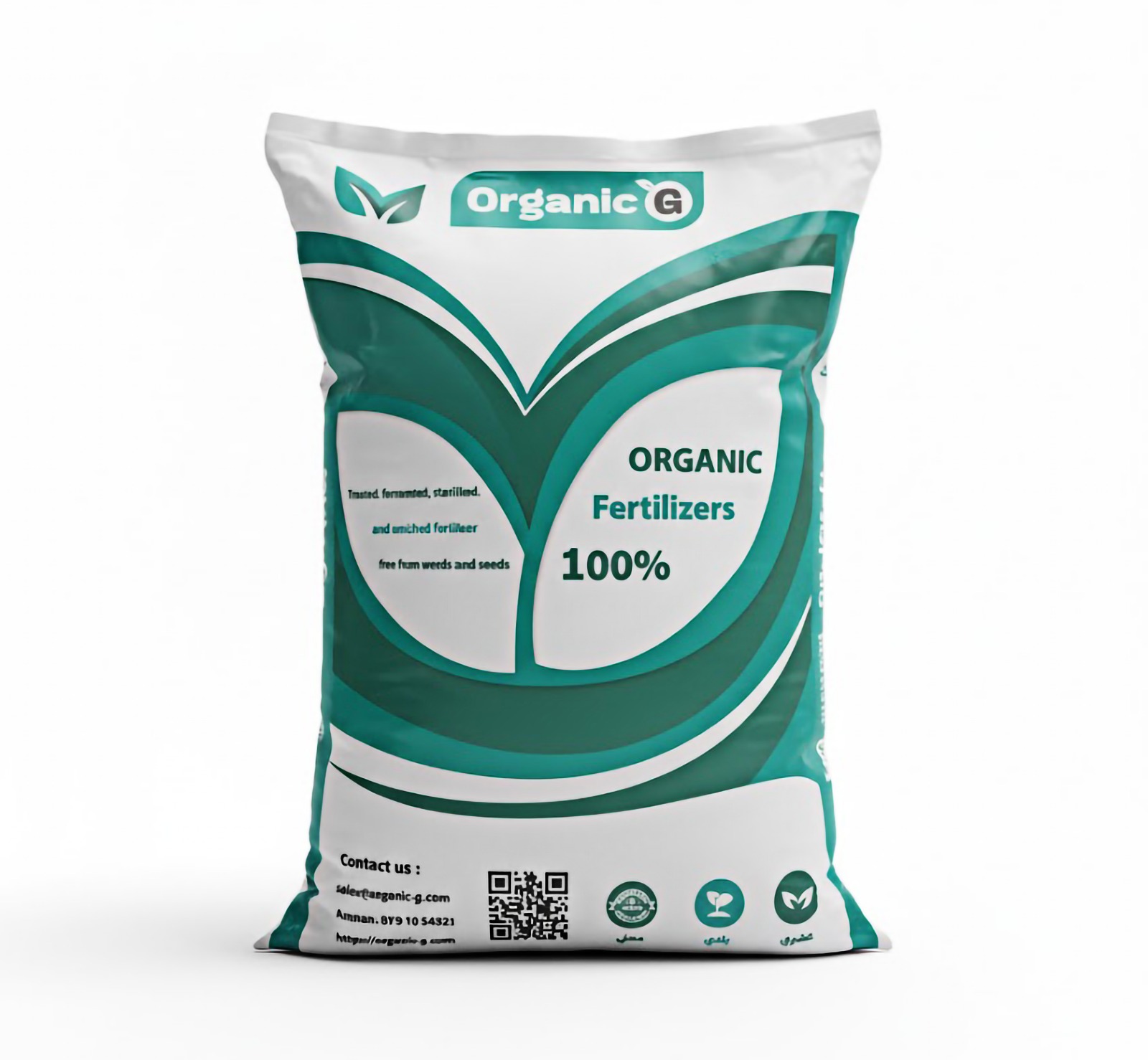
Organic fertilizer is the cornerstone of successful and sustainable farming. It is not just a nutrient source; it is a comprehensive “soil healer” that restores life to the earth. In this guide, we explore the scientifically ideal timing for application and 3 practical ways to boost productivity and ensure unparalleled crop quality.
I. Why is Organic Fertilizer Your First Choice?
Organic fertilizers are natural products derived from treated plant and animal sources. Their strength lies in:
- Integrated & Sustainable Nutrition: They provide essential macronutrients (N, P, K) and micronutrients in a natural balance that plants absorb easily.
- Soil Structure Improvement: They break down heavy clay soils to allow them to breathe and increase the cohesion of sandy soils, turning them into a reservoir for water and nutrients.
- A Living Bio-Environment: They stimulate beneficial microorganisms that act as a “natural army,” protecting roots and processing food for the plants.
II. When to Apply Organic Fertilizer? (The Golden Window)
Applying fertilizer at the right time ensures full nutrient absorption without waste. Here is the breakdown by crop type:
1. Fruit Trees and Palm Trees
- Ideal Time: During the dormancy period (Late Winter to Early Spring), 2–3 weeks before buds begin to open.
- Why?: To ensure the organic matter decomposes and becomes available to the roots as soon as the vigorous growth season starts.
2. Field Crops and Vegetables
- Ideal Time: During soil preparation, before transplanting seedlings or sowing seeds.
- Method: Mix thoroughly with the soil at a depth of 15–25 cm to feed both deep and surface roots simultaneously.
3. Indoor Plants and Home Gardens
- Ideal Time: Once every 6–8 weeks, especially at the start of Spring, to ensure continuous greening and growth.
III. 3 Professional Methods to Increase Plant Productivity
To get the most out of organic products, we recommend following these strategies:
1. Use Fully Fermented (Heat-Treated) Fertilizers
The secret to high productivity lies in using fully decomposed, heat-treated organic fertilizer.
- The Result: Guaranteed freedom from weed seeds and pathogens, avoiding “ammonia shock” caused by untreated fertilizers.
2. The “Drip Line” Fertilization Method
Instead of applying fertilizer randomly, we recommend placing it in a circle around the tree’s drip line (the outer circumference of the branches).
- The Result: Targeting the peripheral roots responsible for nutrient uptake, which can increase fertilization efficiency by up to 30%.
3. Integrating Solid and Liquid Organic Fertilizers
- Use Solid Organic Fertilizer to build a “strategic reserve” in the soil.
- Use Liquid Organic Fertilizer during flowering and fruit-set stages for a quick energy boost.
- The Result: Providing a continuous and stable food supply that prevents flower drop and increases fruit size.
IV. Comparison of Organic Fertilizer Types
| Feature | Processed Solid Fertilizer | Concentrated Liquid Fertilizer |
| Speed of Impact | Extended and long-term effect | Fast and immediate absorption |
| Primary Role | Improves soil properties & fertility | Supports plants during stress & growth |
| Application Method | Mixed with soil or broadcasted | Irrigated with water or foliar spray |
| Best Timing | During preparation & Winter | During growth & flowering seasons |
Tips for Best Results:
- Immediate Irrigation: Always water the land immediately after adding organic fertilizer to activate the nutrients.
- Proper Depth: For large trees, lightly till the fertilizer into the top 5-10 cm of soil to protect it from drying out.
- Sustainability: Consistent organic fertilization builds a rich soil that improves in quality year after year.
Your First Choice for Sustainable Agriculture – Towards a Green and Healthy Future.